


Emakasisese rasedusvastase vahendi paigaldamine
Emakasisene vahend ehk spiraal on T-kujuline ravivahend, mis asetatakse emakasse raseduse vältimise eesmärgil. See võib sisaldada metalli või kollaskeha hormooni.
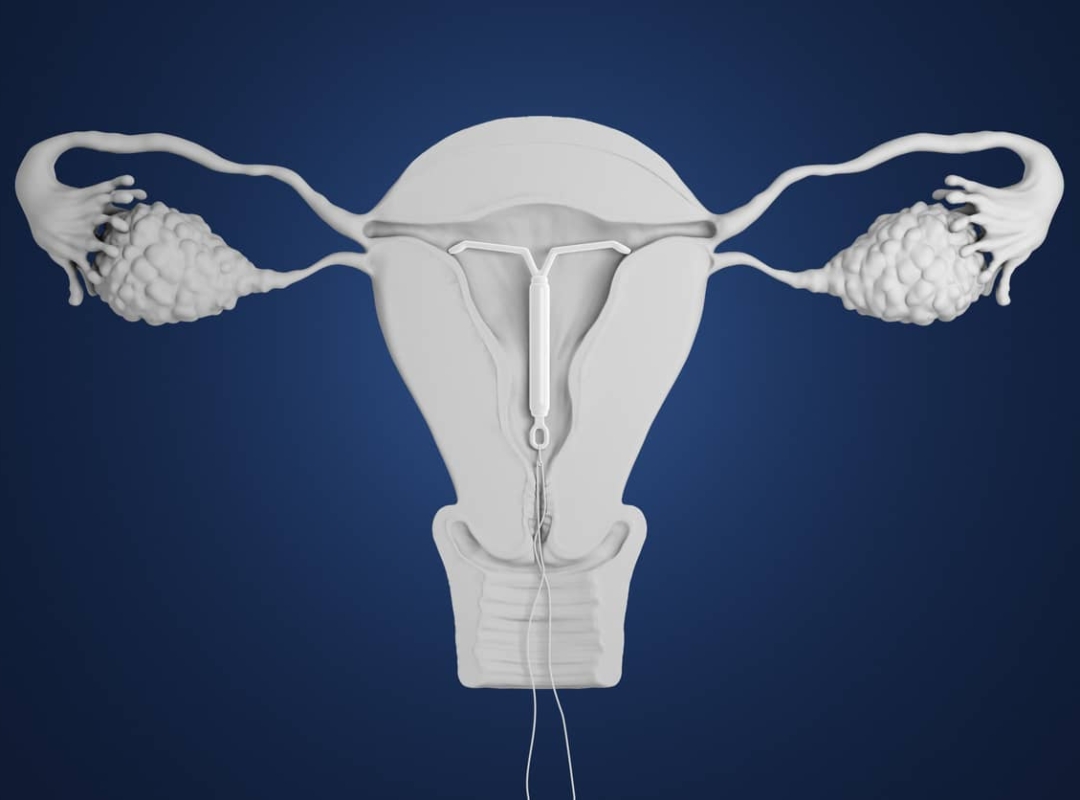
Vaskne ravivahend mõjutab seemnerakkude ja munaraku liikuvust, vähendades seemnerakkude võimet munarakku viljastada.
Hormonaalne ravivahend muudab emaka limaskesta raseduse jaoks liiga õhukeseks, tihendab emakakaelakanali sekreeti selliselt, et munarakku viljastavate seemnerakkude pääs emakasse on raskendatud. See vähendab ka seemnerakkude liikuvust emakas ja munajuhades, harvem võib ära jääda ka ovulatsioon.
Emakasisene rasestumisvastane vahend sobib naistele, kes soovivad pikaajalist raseduse vältimist. Hormonaalne ravivahend sobib naistele, kellel on vererohke menstruatsioon. Vahendi sobivust hindab naistearst konsultatsiooni käigus.
Ravivahendi paigaldamise eelselt on vaja teha sugulisel teel levivate haiguste uuringud ja onkogünekoloogiline test.
Vahendi paigaldamine on mõnede naiste jaoks valutu, mõnede jaoks ebamugav ja valulik. Vahendi paigaldamiseks on parim aeg menstruatsiooni ajal. Vajadusel kasutatakse paigaldamise ajal valu leevendamiseks lokaalseid valuvaigisteid, näiteks lidokaiinigeeli emakakaelal.
Enne vahendi paigaldamist on vajalik naistearsti konsultatsioon.
Emakasisest vahendit paigaldavad kõik Elite kliiniku naistearstid.